Sao Paolo: a city that remembers through taste
There is a city that does not simply eat, it remembers, transforms, and reinvents with every dish.
In São Paulo, gastronomy is not an accessory to urban life: it is its pulse, its breath, its unrelenting beat beneath the vertigo of glass towers and the murmur of endless avenues.
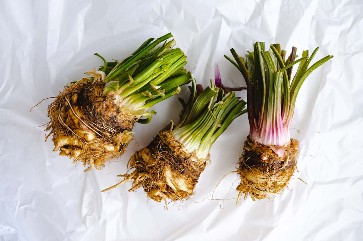
Here, amidst the frenetic rhythm of Latin America’s most populous metropolis, food becomes the language through which identity, migration, and imagination converge. What one finds on a plate in São Paulo is never just nourishment, it is ancestry rendered edible, geography reinterpreted, and memory seasoned to taste.
To speak of traditional cuisine in this city is to summon an intimate cartography of flavors. Virado à Paulista is not merely a regional dish, it is a ritual served in layers: rice and beans whisper of Afro-Brazilian roots; collard greens, pork, and farofa, a golden dust of toasted yuca, bind the meal to the land itself, evoking the rural hinterlands of a state once carved by plantations and trails. Even the fried banana at its side nods to a syncretic sweetness, a trace of Africa and the tropics interwoven.
But tradition here does not fossilize. It ferments, evolves, reinvents. The coxinha, with its teardrop shape and soul of shredded chicken wrapped in creamy catupiry, is no mere street snack: it is São Paulo’s love letter to its own industrious creativity, as ubiquitous and irreplaceable as the honk of a city bus. Likewise, the pastel de feira, golden and audibly crisp, becomes a democratic symbol of pleasure, bitten into on sidewalks, savored under market awnings, filled with cheese, meat, heart of palm or guava jelly. And yet, São Paulo does not rest in nostalgia. It dares.
It dares in places like D.O.M., where chef Alex Atala wields Amazonian ingredients with the reverence of an ethnobotanist and the intuition of a poet. Jambu leaves that make the tongue tingle; ants with the citric brightness of lemongrass, these are not gimmicks, but gestures of reencounter between Brazil’s untamed biomes and its urban present.
At Maní, Helena Rizzo composes dishes as one might write haiku: delicate, precise, and resonant. A plate here is not a conclusion, but a question, posed with smoke, with silence, with sudden bursts of color. And there is also Baio, Cozinha Sulista at the W hotel, where sybarites from all over the world gather to celebrate Southern Brazil's rich heritage of indigenous roots, European influences and iconic local flavors.

Yet, perhaps the truest testament to São Paulo’s culinary soul lies not in its Michelin stars but in its neighborhoods. In Liberdade, sushi meets moqueca, and the air is thick with the scent of grilled yakitori and gyoza kissed by soy. In Bixiga, the echoes of Abruzzo and Naples are kneaded into fresh pasta and sung through the windows of trattorias where Sundays still taste of ragù and saudade.
This is a city where markets are cathedrals of appetite. The Mercadão, with its towering mortadella sandwiches and kaleidoscopic stalls of spices and fruits, is a theater of abundance. Here, gastronomy touches the sublime in the messiness of dripping juices, in the surprise of tasting pitanga or jabuticaba for the first time, in the invisible choreography of vendors who have known your grandmother’s recipes by heart.
And then there are the sweets, those whispers of joy that soften the city’s granite edges. Brigadeiro, that humble orb of condensed milk and cocoa, carries with it generations of birthdays, heartbreaks, reunions. Bolo de Rolo, a Pernambuco delicacy refined in São Paulo’s patisseries, spirals guava into architecture.
To eat in São Paulo is to participate in an endless act of cultural translation. It is to enter a labyrinth where Italy meets Japan meets Lebanon meets Bahia meets the future. It is to realize that, in this city, food is not only a matter of taste, it is an ethic, a poetics, a politics.
“Gastronomy,” a Paulistano chef might murmur while slicing the stem of a jambu leaf, “is not about filling the body. It is about remembering where we come from and imagining who we might become.” And in São Paulo, such remembering is always a feast.
Author: Saluen Art
References:


Comments